Heavy Engineering · Since 1842

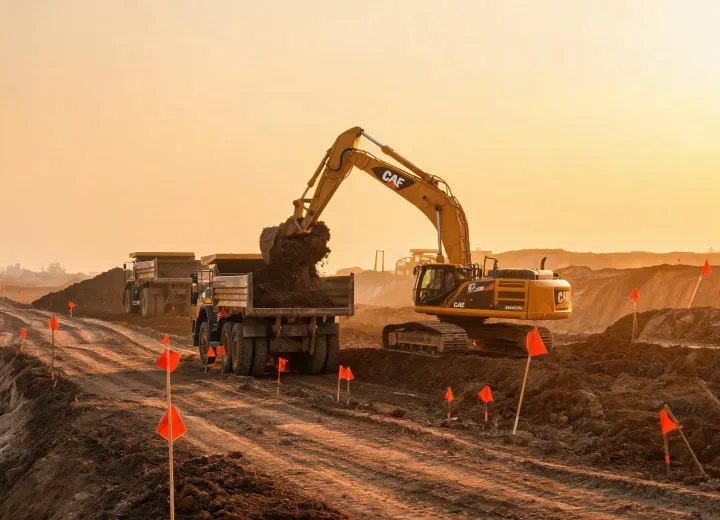
Global contractors share operating weight hours, digging depth targets, bucket capacity utilization and dealer response times — the evidence equipment managers need before the next fleet award.
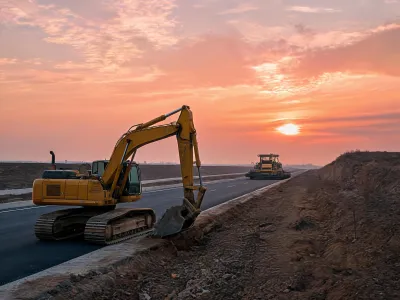
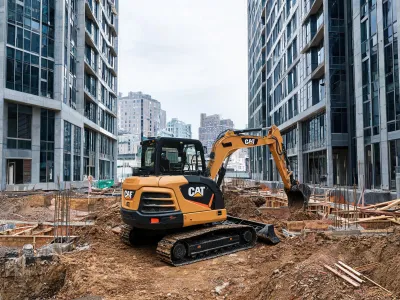
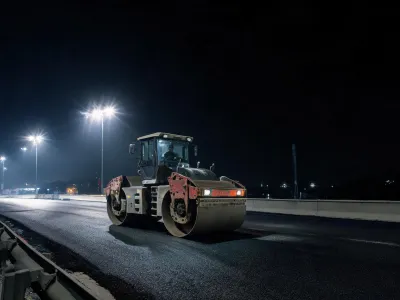
On a 28-kilometre highway package in Southeast Asia, three Case Construction excavators logged 4,860 combined hours cutting shoulders and loading aggregate while tandem rollers chased mat density. Dealer technicians staged track shoe and final drive kits before monsoon windows closed the haul road.
"The excavators held breakout force through the rainy-season clay — and the parts van arrived before our night shift lost a full paving day." — Equipment Manager, Tier-1 highway contractor
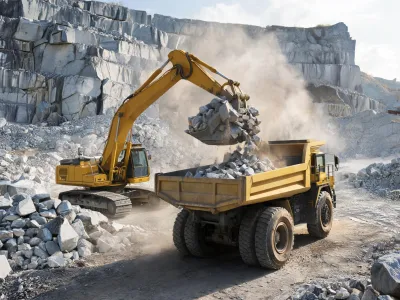
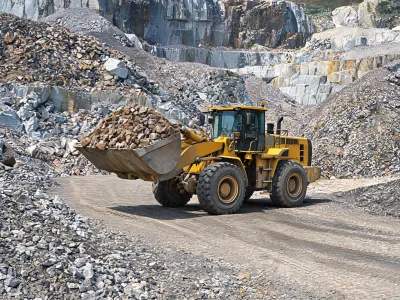
A West African quarry expansion paired Case face-loading excavators with wheel loaders sized to truck cycle time. Hydraulic system pressure samples stayed inside ISO 4406 18/16/13 for the first thousand hours, and undercarriage wear forecasts matched haul-road kilometres within four percent at the 8,000-hour rebuild gate.
Urban demolition crews in North America used high-reach Case excavators with shear packages, documenting slewing speed limits and boom inspection intervals between twenty-story decommission cycles. Procurement teams reused those inspection logs in the next municipal bid package — proof that Case Construction case studies are working documents, not brochure spreads.
Bridge abutment packages in northern China combined 30-ton excavators for deep digging with crane support for segmental sets. Ground pressure options on wider track shoes kept machines stable on saturated riverbank soils without temporary mats on every setup.
Case Construction case studies report the same dimensions procurement teams use in bid evaluations. We do not name competing OEMs; we publish measurable selection factors so fleets can re-run the comparison on their own sites.
| Selection factor | What we measure on Case packages | Why it matters on site |
|---|---|---|
| Digging depth & boom geometry | 6.7 m class depth on 30 t excavators; abutment clearance logs | Determines whether trench / abutment cuts need a larger class |
| Bucket capacity utilization | 1.4 m³ HD rock buckets vs truck cycle time | Controls tonnes per hour and fuel per cubic meter |
| Breakout force & hydraulic pressure | 168 kN breakout; ISO 4406 cleanliness samples | Predicts face-loading stability in clay vs blasted rock |
| Ground pressure / undercarriage | Track shoe width options; wear vs haul-road km | Soft soils and abrasive silica change rebuild timing |
| Dealer MTTR & parts staging | Final drive / track shoe kit lead times before monsoon windows | Lost paving days often cost more than machine rate differentials |
Verification path: under NDA, regional teams can share operating-weight hour logs, hydraulic cleanliness samples and undercarriage wear charts used in the published narratives. Application engineers also schedule dealer seat-time before machine delivery so crews can reproduce the duty cycle on your site.
We prioritize packages with measurable digging depth, bucket capacity utilization, Tier 4 Final documentation and dealer MTTR logs — and we only publish with contractor permission on anonymous or approved attributions.
Yes. Under NDA, regional teams share operating weight hours, hydraulic cleanliness samples and undercarriage wear charts used in the published narrative.
Most references include parts staging times, final drive kit availability and whether a field-service engineer embedded during commissioning.
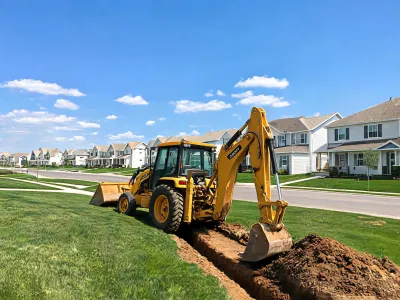
Dealer training seats cover excavator and backhoe platforms with the same boom geometry and breakout force targets referenced in the study — typically scheduled before machine delivery.
Share site type, excavator class, duty-cycle hours and whether you can release anonymous performance metrics. We respond with a documentation checklist within five business days.